Money has the potential to work just as hard as you do—sometimes even harder. Yet many people spend years chasing higher salaries or searching for the next big investment opportunity without understanding one of the most powerful financial concepts ever discovered. That concept is compound interest. Whether you’re saving for retirement, building an emergency fund, investing in the stock market, or simply trying to grow your wealth over time, compound interest can become the engine that steadily increases your money. Instead of relying on constant effort, it allows your earnings to generate even more earnings, creating a snowball effect that becomes larger as time passes. This is why financial advisors often encourage people to start investing early rather than waiting until they have more income.
If you’ve ever searched for compound interest explained, you’re already taking an important step toward improving your financial knowledge. Compound interest explained simply means understanding how interest is earned not only on your original investment but also on the interest you’ve already accumulated. Imagine planting a single tree that eventually produces seeds, and those seeds grow into dozens of new trees. Over many years, what started as one tree becomes an entire forest. Your money behaves in much the same way. Each time interest is added to your balance, future interest calculations include those previous earnings, allowing your investment to accelerate naturally. This compounding effect is why even relatively small monthly contributions can become surprisingly large over decades.
Understanding Compound Interest in Simple Terms
Compound interest is often described as “interest on interest,” but that simple definition barely scratches the surface. At its core, compound interest is a process where your investment earns returns, and then those returns begin earning returns of their own. Instead of receiving the same amount of interest every year, your earnings gradually become larger because your balance continues growing. This creates exponential growth rather than linear growth, making compound interest one of the most effective ways to build wealth over long periods. The longer your money remains invested, the more dramatic the results become because every compounding period builds upon the previous one.
Think about two people who both save money regularly. One starts investing at age twenty-five, while the other waits until age thirty-five. Even if the second person invests more each month, the first investor often ends up with significantly more wealth simply because their money had extra years to compound. Time is one of the most valuable ingredients in compound growth. You don’t necessarily need extraordinary investment skills or perfect market timing. Instead, patience, consistency, and allowing your investments to remain untouched can produce remarkable financial outcomes. This is why successful long-term investors frequently emphasize staying invested instead of trying to predict short-term market movements.
Why Compound Interest Is Called the Eighth Wonder of the World
A quote commonly attributed to Albert Einstein describes compound interest as the “eighth wonder of the world.” Whether or not he actually said those exact words, the message behind the quote has inspired generations of investors. Compound interest appears almost magical because its greatest strength doesn’t become obvious immediately. During the first few years, growth may seem relatively slow, causing some people to lose patience. They might wonder whether investing is really making a difference. The reality is that compounding rewards persistence, not impatience.
Imagine rolling a small snowball down a snowy hill. At first, it grows only slightly, but as it continues rolling, it gathers more snow and becomes dramatically larger. Compound interest follows a similar pattern. Early gains create the foundation for larger gains later. This is why investors who remain committed over decades often experience the greatest financial rewards. Instead of focusing on short-term fluctuations, they allow time to amplify their returns naturally. The combination of regular contributions, reinvested earnings, and long investment periods creates a financial momentum that becomes increasingly difficult to stop.
How Compound Interest Differs from Simple Interest
Many people confuse compound interest with simple interest, but the difference is significant. Simple interest is calculated only on the original amount you invest or borrow. If you invest $10,000 at a simple annual interest rate of five percent, you’ll earn the same amount every year because the interest calculation never changes. Your earnings remain constant regardless of how long the investment lasts. While simple interest has its uses, particularly in certain loans and short-term financial products, it lacks the accelerating growth that makes compound interest so valuable.
Compound interest, by contrast, continuously increases the amount used to calculate future earnings. Every interest payment becomes part of your investment balance, meaning your next interest payment is calculated on a larger amount. This process repeats over and over, producing faster growth as time passes. The longer the investment remains untouched, the greater the difference between simple and compound interest becomes. Understanding this distinction helps explain why long-term investing strategies consistently prioritize assets that allow earnings to be reinvested instead of withdrawn immediately.
Compound Interest Explained with a Real-Life Example
Imagine Sarah begins investing $300 every month at age twenty-five into a diversified investment portfolio that earns an average annual return of 8%. She doesn’t try to predict market highs or lows. Instead, she simply invests consistently every month and reinvests every dollar she earns. During the first few years, her account grows steadily but not dramatically. It may even seem like her monthly contributions are doing most of the work. This stage often tests an investor’s patience because the compounding effect has not yet reached its full potential.
Fast forward twenty-five or thirty years, and the picture changes dramatically. Sarah’s investment returns begin contributing more to her wealth than her own monthly deposits. In some years, her portfolio earns more from investment growth than she contributes from her paycheck. That’s the true power of compounding. Her money has effectively become another source of income, continuously generating additional wealth without requiring extra effort. This transformation illustrates why financial experts encourage investors to stay consistent, ignore short-term market noise, and focus on the long-term benefits of compound growth.
The Formula Behind Compound Interest
While you do not need to be a mathematician to benefit from compound interest, understanding the basic formula can help you appreciate why your money grows faster over time. The standard compound interest formula is:
A = P (1 + r/n)^(nt)
In this formula, A represents the final amount, P is the principal or original investment, r is the annual interest rate, n is the number of times interest is compounded each year, and t is the number of years the money remains invested. Although the equation may look intimidating at first glance, its purpose is simple—it calculates how your investment increases as interest continues to build upon itself. Financial calculators and investment apps perform these calculations instantly, allowing you to focus on developing good saving and investing habits rather than solving complex equations.
The real takeaway isn’t the formula itself but the lesson it teaches. Every additional year your money stays invested increases the compounding effect. Every extra contribution boosts the amount earning returns. Even a slightly higher annual return can significantly increase your wealth over several decades. Instead of obsessing over finding the “perfect” investment, successful investors often prioritize staying invested, contributing consistently, and allowing time to do the heavy lifting. Understanding the mechanics behind compound interest helps remove the mystery from long-term investing and replaces it with confidence built on mathematical principles.
Factors That Affect Compound Growth
Compound interest does not produce identical results for everyone because several factors influence how quickly investments grow. One of the biggest factors is time. The earlier you begin investing, the more opportunities your money has to compound. Someone who starts investing in their twenties often accumulates far more wealth than someone who begins in their forties, even if the later investor contributes larger monthly amounts. Time multiplies every dollar invested, making it one of the most valuable financial assets anyone can possess.
Another important factor is the rate of return. Higher returns generally lead to faster growth, although higher-return investments often involve greater risk. The frequency of compounding also matters. Interest that compounds daily or monthly typically produces slightly better results than annual compounding because earnings begin generating additional returns sooner. Finally, consistent contributions can dramatically accelerate wealth creation. Adding money every month increases the investment base, allowing compound interest to work on a continually expanding balance. These factors combine to determine how quickly your financial goals become reality.
Some of the most influential factors include:
- Starting your investments early.
- Contributing consistently every month.
- Reinvesting all earnings.
- Avoiding unnecessary withdrawals.
- Choosing investments with strong long-term growth potential.
- Remaining patient during market fluctuations.
Why Compound Interest Creates Long-Term Wealth
Long-term wealth rarely appears overnight. It is usually built through disciplined habits repeated over many years. Compound interest supports this approach because it rewards consistency instead of luck. Every contribution, regardless of size, becomes part of a growing financial engine that generates additional earnings year after year. Unlike speculative strategies that depend on perfectly timing the market, compound interest works quietly in the background. Investors who remain committed often discover that their greatest gains occur during the later stages of their investment journey when accumulated earnings begin producing substantial returns of their own.
Another reason compound interest is so powerful is its ability to reduce the pressure of earning enormous salaries. While increasing income certainly helps, consistent investing allows ordinary earners to build extraordinary wealth over time. Even modest monthly investments can grow into six-figure portfolios when given enough years to compound. This principle demonstrates that financial success depends more on habits than income alone. People who regularly invest, avoid unnecessary debt, and allow their money to remain invested often outperform individuals who earn more but fail to save consistently. Compound interest transforms discipline into measurable financial progress.
The Power of Starting Early
One of the greatest advantages any investor can have is time. Starting early allows compound interest to work across decades instead of years, dramatically increasing potential returns. Imagine two friends with identical investment strategies. One begins investing at age twenty-three, while the other waits until age thirty-three. Even if both invest the same amount every month and earn identical returns, the person who started earlier will likely finish with a much larger investment portfolio. Those extra ten years provide countless opportunities for earnings to generate additional earnings, creating exponential rather than linear growth.
Many young adults mistakenly believe they need thousands of dollars before investing. In reality, starting with smaller amounts today is often more beneficial than waiting years to invest larger sums. Modern investment platforms allow individuals to begin with surprisingly modest contributions, making compound interest accessible to nearly everyone. Every month spent waiting represents lost compounding opportunities that can never be fully recovered. This is why financial educators consistently encourage people to begin investing as soon as they establish an emergency fund and eliminate high-interest debt. Early action often matters more than investing large amounts later in life.
Consistency Beats Large Investments
Many people assume wealth belongs exclusively to those who can invest large amounts of money. Compound interest proves otherwise. Consistent investing frequently outperforms occasional large deposits because regular contributions continually increase the amount earning returns. Monthly investing also reduces the temptation to time the market, encouraging disciplined habits that continue regardless of economic conditions. Over many years, this consistent approach smooths out market volatility while allowing compounding to work uninterrupted.
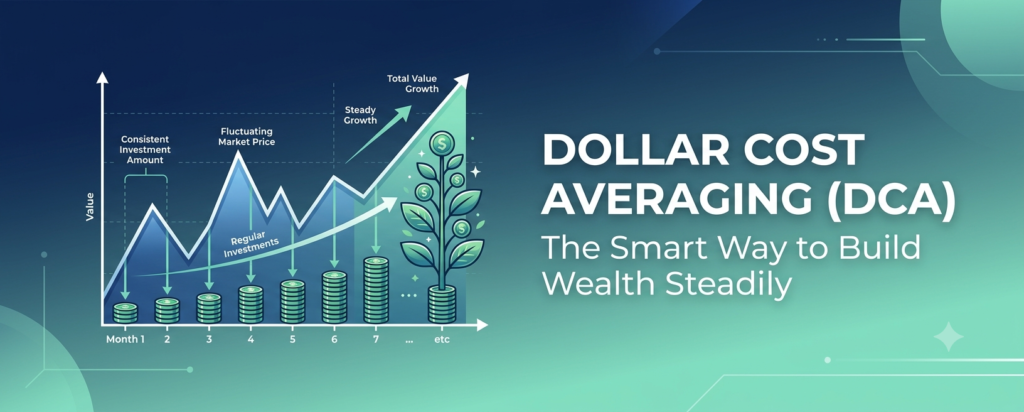
Think of compound interest as filling a reservoir with steady rainfall instead of waiting for one massive storm. Small deposits made month after month eventually accumulate into something substantial. Investors who automate their savings often remove emotion from the process, ensuring that investing becomes a routine rather than a decision influenced by market headlines. This strategy helps maintain momentum during both bull markets and downturns. As investment balances grow larger, the impact of compound returns becomes increasingly noticeable, eventually contributing more to portfolio growth than the investor’s own monthly contributions.
Where Compound Interest Works Best
Compound interest is not limited to one type of financial product. It can be found in several investment and savings vehicles, each offering unique advantages depending on your financial goals. Understanding where compounding works most effectively allows you to choose options that match your risk tolerance, investment timeline, and expected returns. While some accounts provide predictable growth through fixed interest rates, others rely on market performance to generate long-term gains.
Popular places where compound interest can work include:
- High-yield savings accounts for short-term goals and emergency funds.
- Certificates of Deposit (CDs) that offer fixed interest over a specified period.
- Dividend-paying stocks that automatically reinvest dividends.
- Exchange-Traded Funds (ETFs) designed for diversified long-term investing.
- Mutual funds that spread investments across multiple assets.
- Retirement accounts, such as employer-sponsored plans and individual retirement accounts, where investments can compound for decades.
Each option offers different levels of risk and return, but they all benefit from the same underlying principle: allowing earnings to remain invested so they can generate future earnings. Choosing the right combination of accounts based on your financial objectives can significantly increase your long-term wealth while helping you stay focused on consistent, disciplined investing.
Common Mistakes That Slow Compound Growth
Compound interest is incredibly powerful, but it is not unstoppable. Certain financial habits can significantly reduce its effectiveness and delay your progress toward long-term wealth. One of the most common mistakes is withdrawing money from your investments too early. Every time you remove funds, you reduce the principal that is generating future returns. This not only lowers your current balance but also decreases the amount available to compound over the coming years. While emergencies sometimes require accessing investments, frequent withdrawals interrupt the snowball effect that makes compound interest so valuable.
Another mistake is trying to time the market Compound interest explained. Many investors stop investing during market downturns because they fear losing money. Ironically, these periods often present opportunities to purchase quality investments at lower prices. Investors who remain consistent and continue contributing during both good and bad markets typically benefit when markets recover. Emotional decision-making often leads to buying high and selling low, which is the opposite of successful long-term investing.
Waiting too long to start investing is another costly error. Many people believe they will begin saving once they earn a higher salary or achieve financial stability. Unfortunately, time is one of the biggest drivers of compound growth, and lost years cannot be replaced. Even investing modest amounts today can produce greater long-term results than investing much larger sums later. Delaying the first investment often has a greater financial cost than many people realize.
Other mistakes that limit compound growth include:
- Frequently withdrawing investment earnings.
- Ignoring employer retirement matching contributions.
- Keeping all savings in low-interest accounts for decades.
- Chasing “get rich quick” schemes instead of long-term investing.
- Stopping investments during market declines.
- Failing to increase contributions as income grows.
Avoiding these habits allows compound interest to work continuously, maximizing your wealth-building potential over time.
Practical Tips to Maximize Compound Interest
Understanding compound interest is only the beginning. The real benefits come from applying this knowledge consistently throughout your financial journey. One of the most effective strategies is to automate your investments. Automatic monthly contributions remove emotion from the process and ensure that you continue investing regardless of market conditions. Over time, this consistency becomes one of your greatest financial advantages.
Increasing your investment contributions whenever your income rises is another smart strategy. Many people receive annual raises but also increase their spending at the same pace. Instead, consider directing part of every salary increase toward your investment accounts. Even small increases can produce substantial differences after decades of compounding. This approach allows your wealth to grow alongside your career without dramatically affecting your lifestyle.
Reinvesting dividends and interest payments is equally important. Instead of taking earnings as cash, allow them to purchase additional investments. Those new investments will then generate their own returns, accelerating the compounding process. Reviewing your portfolio periodically is also wise, but avoid making frequent changes based on short-term market news. Long-term investing rewards patience far more than constant activity.
To maximize compound interest, consider these proven habits:
- Start investing as early as possible.
- Invest consistently every month.
- Reinvest all dividends and interest.
- Increase contributions over time.
- Diversify your investments.
- Minimize high-interest debt.
- Keep investment costs and fees low.
- Stay invested during market volatility.
- Focus on long-term goals instead of short-term market movements.
These simple yet powerful habits can dramatically improve your financial future. While no investment guarantees specific returns, maintaining discipline gives compound interest the best opportunity to deliver exceptional long-term results.
Conclusion
Compound interest is more than a financial formula—it is a mindset that rewards patience, consistency, and long-term thinking. Instead of searching for shortcuts to wealth, successful investors understand that steady progress often produces the greatest results. Every dollar invested today has the potential to earn returns, and those returns can continue generating additional wealth for years or even decades. This continuous cycle is what transforms ordinary savings into meaningful financial security.
Whether you are just beginning your financial journey or looking to improve your current investment strategy, there is no better time to put compound interest to work. You do not need to predict stock market movements, find the next big investment trend, or earn an exceptionally high income. You simply need to start, remain consistent, and allow time to work in your favor. The earlier you begin, the greater your opportunity to benefit from exponential growth.
Remember that building wealth is rarely about dramatic actions. It is about making smart financial decisions repeatedly over many years. Compound interest rewards those who stay committed to the process, making it one of the most powerful wealth-building concepts ever discovered. Start today, stay patient, and let your money grow alongside your future.
Frequently Asked Questions
1. What is compound interest in simple words?
Compound interest is the process of earning interest on both your original investment and the interest that has already been added. Over time, this creates faster growth because your money earns returns on an increasingly larger balance.
2. Why is compound interest important?
Compound interest helps build long-term wealth by allowing investment earnings to generate additional earnings. The longer your money stays invested, the greater the compounding effect becomes.
3. How often should interest be compounded?
More frequent compounding—such as daily or monthly—generally results in slightly higher returns than annual compounding because earnings begin generating additional returns sooner.
4. Can compound interest make you wealthy?
Yes. While it is not an overnight strategy, consistently investing over many years can lead to substantial wealth through the power of compound growth, especially when combined with regular contributions.
5. What investments benefit most from compound interest?
Retirement accounts, diversified ETFs, mutual funds, dividend-paying stocks, high-yield savings accounts, and certificates of deposit can all benefit from compound interest when earnings are reinvested.